The Role of Luck in Casino Games
Luck plays a fundamental role in the world of casinos, influencing outcomes in games ranging from slots to table games. In essence, luck is the unpredictable factor that can tip the scales in favor of a player or the casino, often dictating the final results. For those interested in exploring this concept further, click here to discover how randomness is particularly pronounced in games like roulette or poker, where the cards or spins provide a range of potential outcomes, making the element of chance a constant companion in every game played.
Furthermore, the nature of luck can create a thrilling atmosphere in casinos. Players often come with the hope that fortune will smile upon them, and this anticipation can enhance their overall experience. The highs and lows of gambling often hinge on moments where luck intervenes, leading to a win or a loss. These unpredictable moments are what make casino games so alluring, offering an escape into a world where anything can happen with a roll of the dice or a turn of the card.
Moreover, the psychological influence of luck cannot be understated. When players experience luck, even in small amounts, it can build a sense of confidence that propels them to continue playing. This phenomenon, often referred to as ‘the gambler’s fallacy,’ can lead players to chase their fortune, believing that their lucky streak will continue. Consequently, luck is not merely an external factor but a significant driver of behavior within the casino environment.
The House Edge and Luck
While luck is a critical element in casino games, it exists within the broader context of the house edge. This term refers to the mathematical advantage that casinos hold over players, ensuring that, in the long run, they will always generate a profit. Even in games heavily influenced by luck, such as slot machines, the house edge is a constant reminder that luck alone is not always sufficient to guarantee success. Players must navigate this delicate balance between hope and probability.
Understanding the house edge is crucial for any player hoping to maximize their enjoyment and potential winnings in a casino. Each game has its own house edge, which varies significantly from one to another. For instance, blackjack typically offers a lower house edge compared to more luck-based games like slots, where the outcome often relies entirely on chance. Therefore, while luck can provide sporadic wins, a strategic understanding of the games can enhance one’s prospects in the long term.
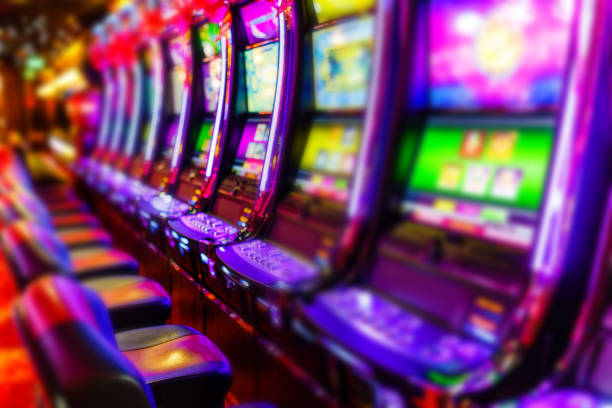
Moreover, the relationship between luck and the house edge reveals the intricate dynamics of casino gaming. Players often must accept that, while luck can lead to significant wins, it is the probabilities dictated by the house edge that define the overarching theme of any gambling experience. This blending of luck and mathematical principles creates a complex yet fascinating ecosystem in which players operate, constantly weighing their chances against the built-in advantages of the casino.
The Illusion of Control
One of the interesting aspects of gambling in casinos is how luck can create an illusion of control among players. Many gamblers develop strategies that they believe will increase their chances of winning, despite the fact that outcomes are determined by random chance. This behavioral tendency can lead to the misconception that skill and strategy can override the role of luck. Players might convince themselves that their choices can influence the outcomes, leading to a more engaged and invested gambling experience.
This psychological phenomenon is often fueled by the experience of winning—when luck seems to favor a player, it creates a reinforced belief in their ability to control their fate. However, it’s essential to recognize that while skill may enhance certain games, such as poker, luck remains a predominant factor in many gambling scenarios. Understanding this distinction can help players approach their gaming sessions with a more balanced perspective, acknowledging that sometimes, despite their best efforts, luck may not be on their side.
In addition, the illusion of control can affect players’ decision-making processes. When experiencing a winning streak, they may continue to gamble despite the warning signs of a potential loss. This persistence can lead to financial repercussions, as players chase the high of luck. Therefore, recognizing the role of luck in conjunction with the concept of control is essential for fostering a healthier relationship with gambling and mitigating risks associated with excessive play.
The Social Aspect of Luck in Gambling
Luck in casinos also extends into the social dynamics of gambling. Players often share their experiences, exchanging stories of both incredible wins and devastating losses. This communal aspect of luck fosters a unique camaraderie among gamblers, as they all understand the unpredictable nature of chance. It’s not uncommon for players to cheer each other on during a game, celebrating lucky moments together and forging bonds over shared experiences.
Moreover, the social interactions tied to luck can enhance the overall casino experience. When luck is involved, there’s a palpable energy in the air, making the atmosphere electric. Players might engage in friendly banter while waiting for their turn at a table, and those who are lucky enough to win become the center of attention, contributing to the collective excitement of the space. This dynamic interaction creates not just a gaming experience but also a social one, adding layers to the enjoyment of casino visits.
Additionally, casinos often capitalize on this social aspect by hosting events or tournaments where luck plays a significant role. Players come together to compete not just against the house but also against each other, and the thrill of competition amplified by luck can create memorable moments. Such events further solidify the intertwined relationship between luck and the social fabric of gambling, illustrating that luck is not merely an individual pursuit but a collective experience shared among many.
Conclusion: Embracing Luck Responsibly
In conclusion, luck undeniably plays a vital role in the casino landscape, influencing outcomes, driving behavior, and shaping social interactions. It adds an element of excitement and unpredictability that draws players to gaming establishments, making each visit an adventure in chance. However, it’s crucial for players to recognize the dual nature of luck—while it can lead to thrilling successes, it can also bring about unexpected losses. Understanding this balance is key to fostering a responsible gambling approach.
Casinos, as venues of chance and entertainment, offer unique experiences that can be enjoyed when approached with the right mindset. Players should aim to enjoy the thrill of luck while remaining mindful of the underlying principles that govern the games, such as the house edge. By embracing luck in a responsible manner, individuals can ensure that their time in casinos is filled with enjoyment rather than regret.
Ultimately, whether you’re a seasoned gambler or a newcomer, the world of casinos is a captivating one, where luck reigns supreme. As you step into this exciting realm, remember to cherish the moments of fortune while maintaining a healthy perspective on the inherent risks of gambling. This balance will not only enhance your experience but also ensure that luck remains a fun and integral part of your casino journey.